The eyes
Big, round and set forward, rather than the almond-shaped, wider-set eyes of the show standard. This is the single trait that gives the doll face its name.
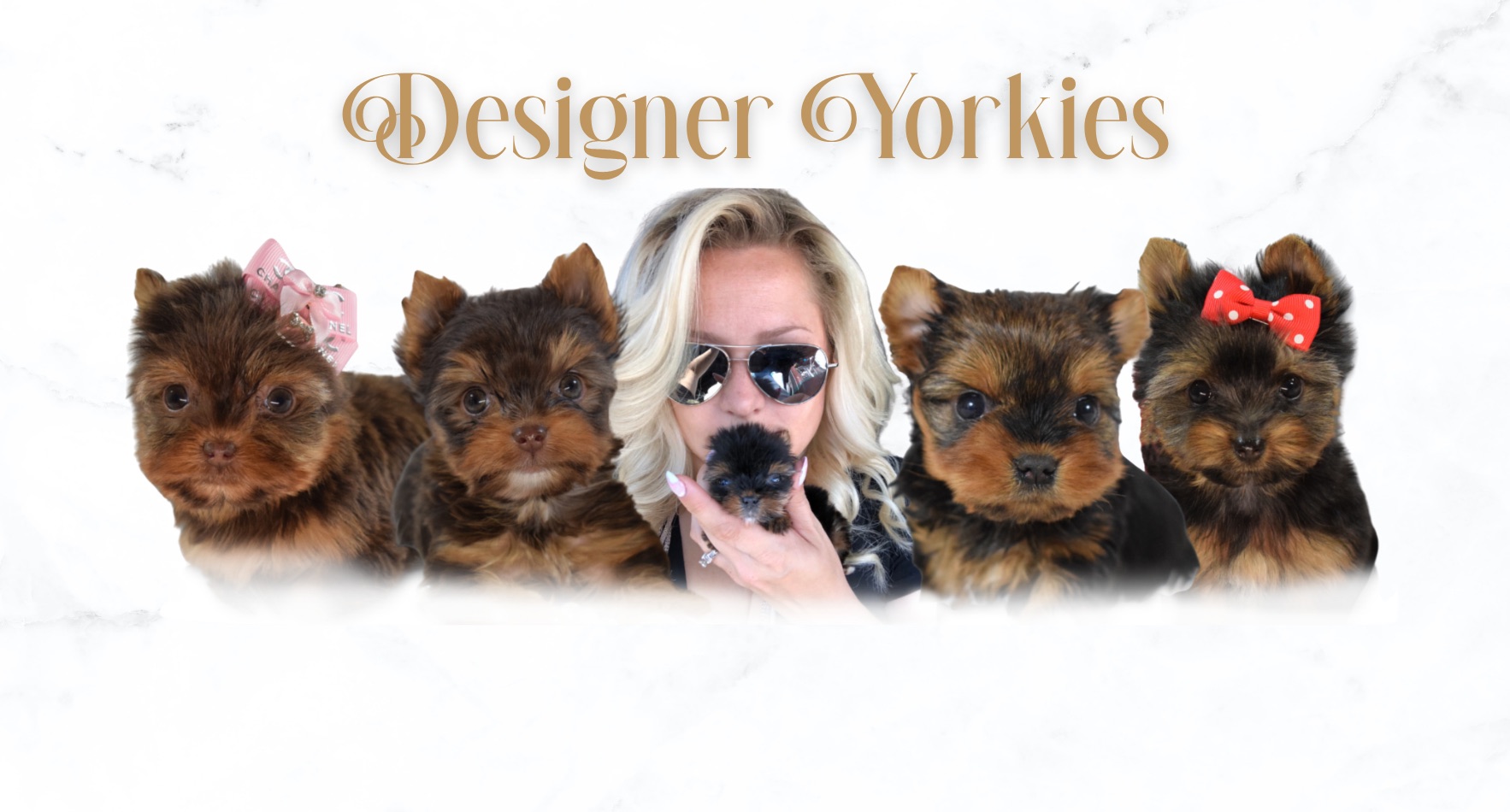
A breeder’s plain answer: what the word means, what it does not mean, and how to tell a real one from a label.
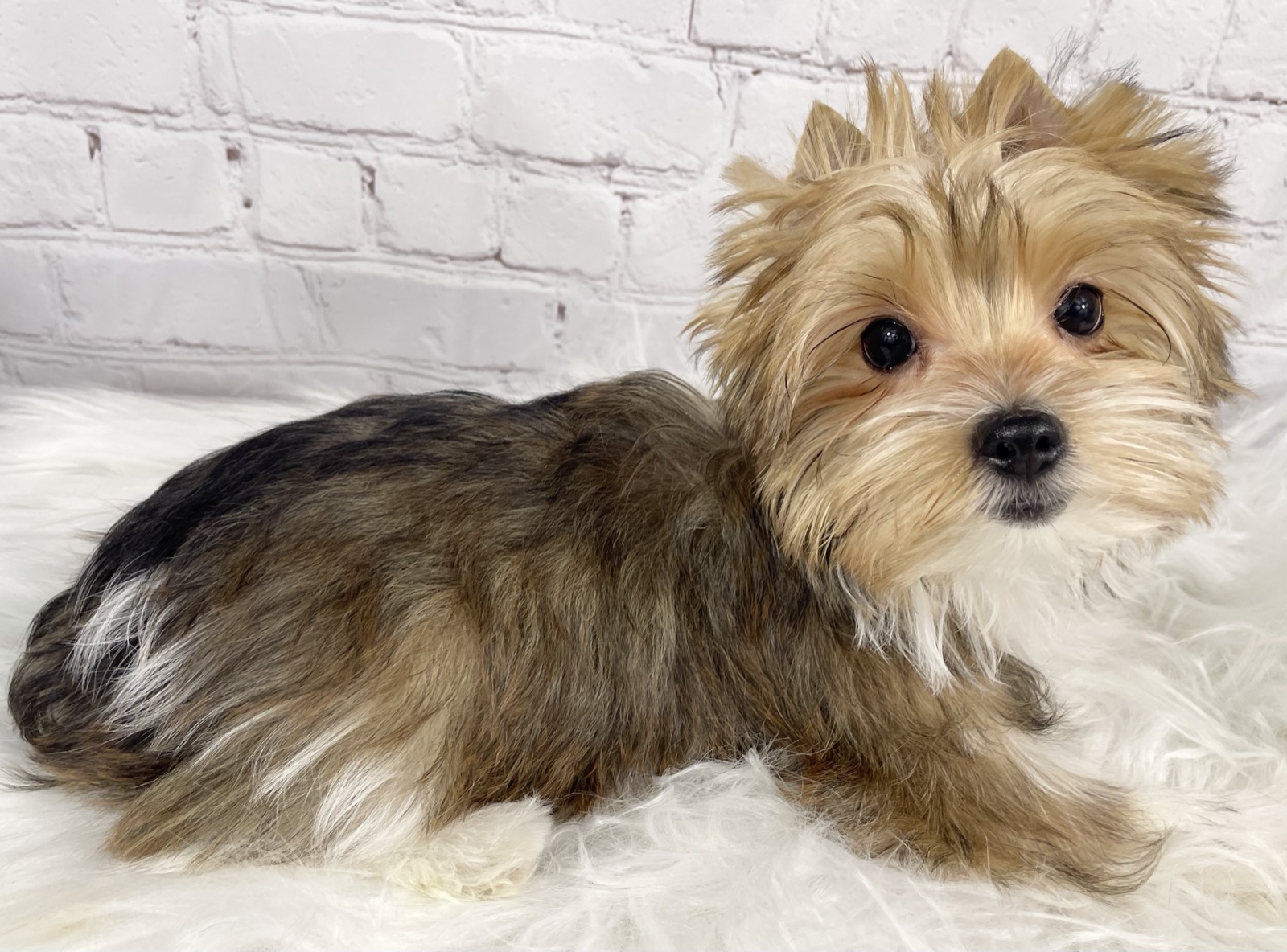
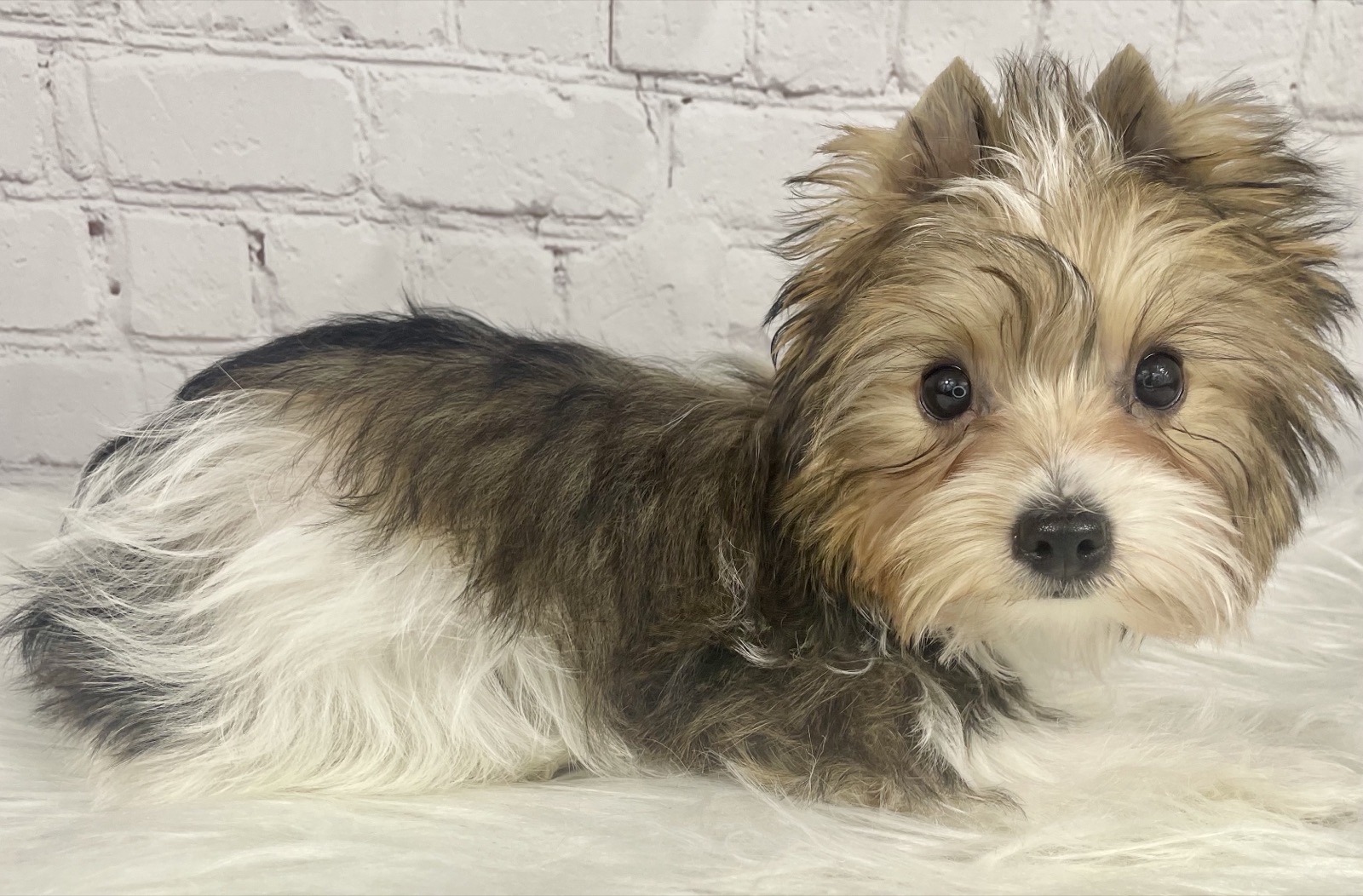
A babydoll Yorkshire Terrier is a Yorkie bred to keep its puppy face into adulthood — a shorter muzzle, rounder and more forward-set eyes, smaller ears, and a shorter, squarer body than the show standard calls for. It is not a separate breed, and it is not a “teacup”. It is the same Yorkshire Terrier in a softer-faced package.
Three words that get used as if they were interchangeable. Only two of them describe anything real.
| Trait | Babydoll | Show standard | “Teacup” |
|---|---|---|---|
| What the word describes | A look — the shape of the face and body. | A written conformation standard for the show ring. | A size, used in marketing. |
| Recognised by the AKC | No — it is a Yorkshire Terrier, registered as one. | Yes — this is the breed standard itself. | No. There is no teacup classification at all. |
| The face | Short muzzle, round forward-set eyes, small fine ears. | A longer wedge muzzle, medium almond eyes, V-shaped ears. | Nothing — the label says nothing about the face. |
| The body | Cobby — short back, square proportions, tucked waist. | Compact and level, longer through the body. | Nothing — only a target weight. |
| Adult size | Varies. Size is a result of the pairing, never the goal. | Must not exceed seven pounds. | Usually advertised under four pounds. |
| How it is achieved | Pairing two parents who both carry the look, over generations. | Pairing to the written standard. | Often by pairing the smallest to the smallest — which is where the risk comes in. |
We do not use the word “teacup” for our own puppies. Some of them do mature very small, and we will say so on the individual puppy — but we will not pair two of the smallest dogs together to hit a number, and neither should anyone else.
People meeting a babydoll for the first time nearly always say the same thing — that it looks like a stuffed animal. This is what sits behind that.
Big, round and set forward, rather than the almond-shaped, wider-set eyes of the show standard. This is the single trait that gives the doll face its name.
Shorter and softer than the traditional Yorkshire Terrier wedge — but never so short that it crowds the airway the way a flat-faced breed does.
Smaller, finer and set a little closer together. They still stand erect, a Yorkie trademark, but the scale matches the daintier head.
Cobbier: a shorter back, squarer proportions and a tucked little waist, rather than the longer, rangier line of a show dog.
The same silky single coat as any Yorkshire Terrier, though puppies bred for this look often carry a denser, plusher coat while they are young.
Calm and people-oriented — though that is how a puppy is raised far more than how it is bred. Ours grow up underfoot, handled every day.
The word is not protected, so anyone can print it on a listing. These are the five checks we would make ourselves — including on us.
Toy-breed puppies can drop their blood sugar quickly if they go too long between meals. Every family goes home knowing the warning signs, the syrup protocol and the feeding schedule. Read the New Pawrent guide.
Our breeding dogs are genetically screened through Embark before they are ever paired, and we are happy to walk you through what those results mean for the puppy you are looking at. Ask us about a specific pairing.
Our written health guarantee runs for one year from the puppy’s date of birth, and covers life-threatening congenital and hereditary defects. See the full terms.
Every photo below is one of our own dogs.
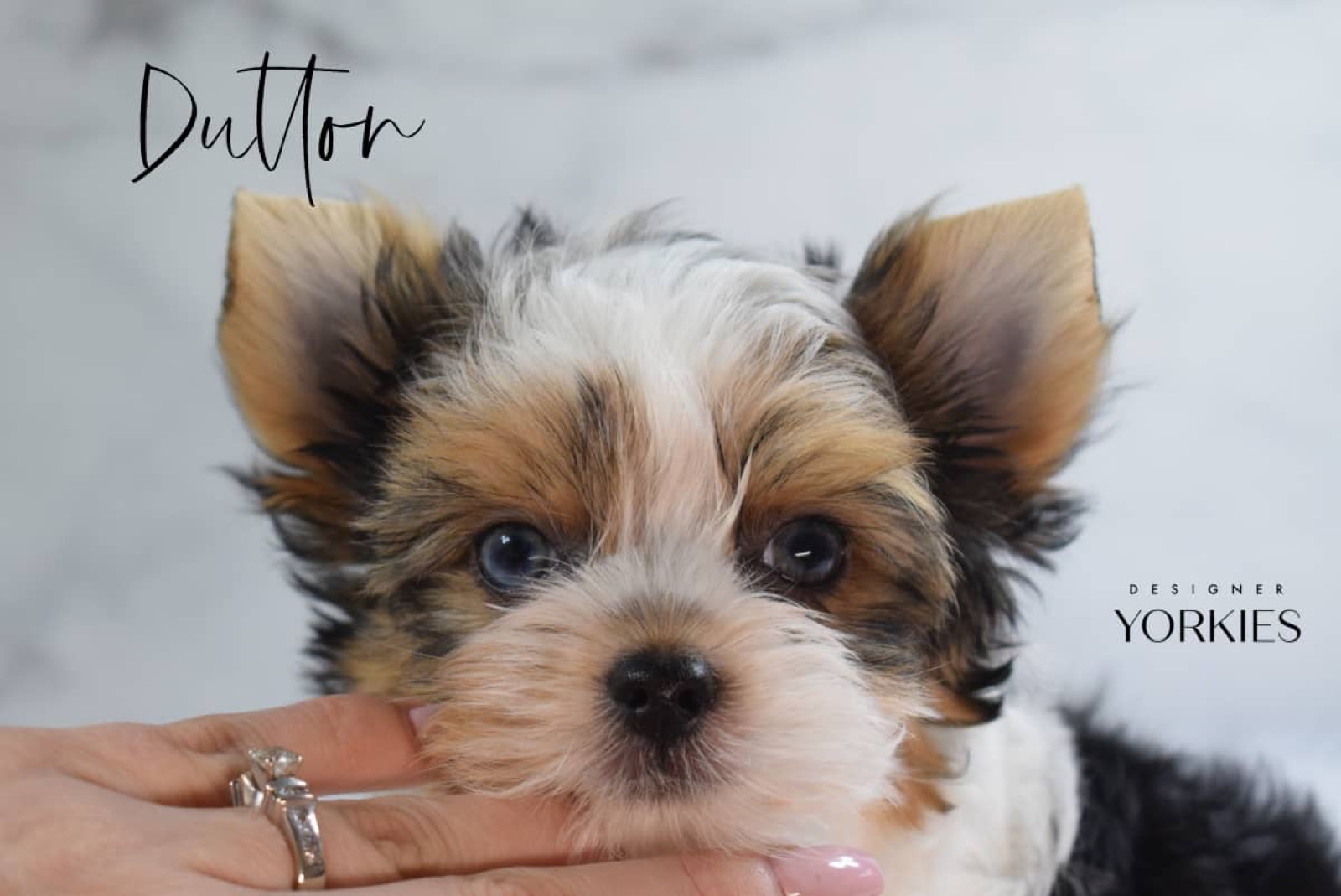
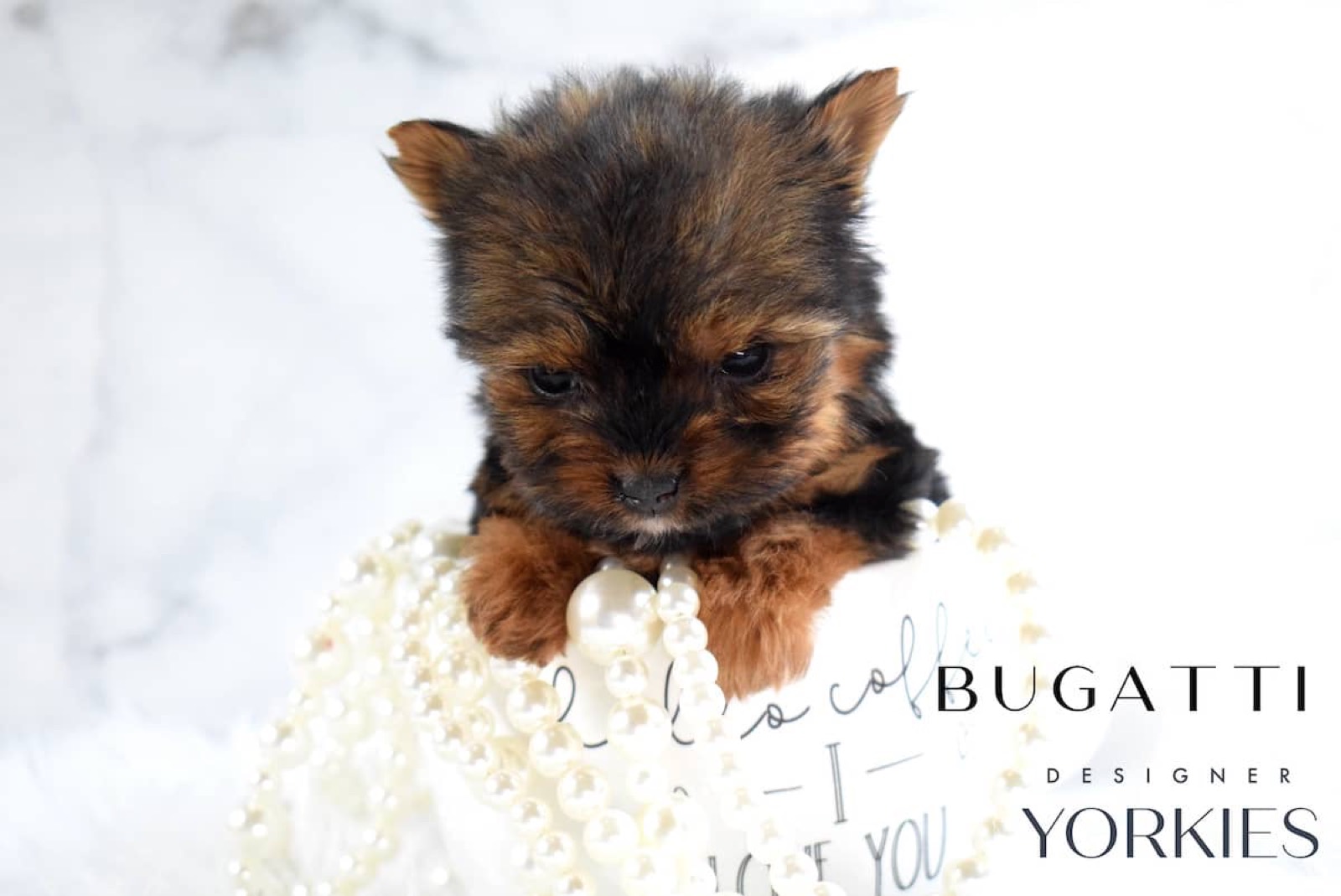
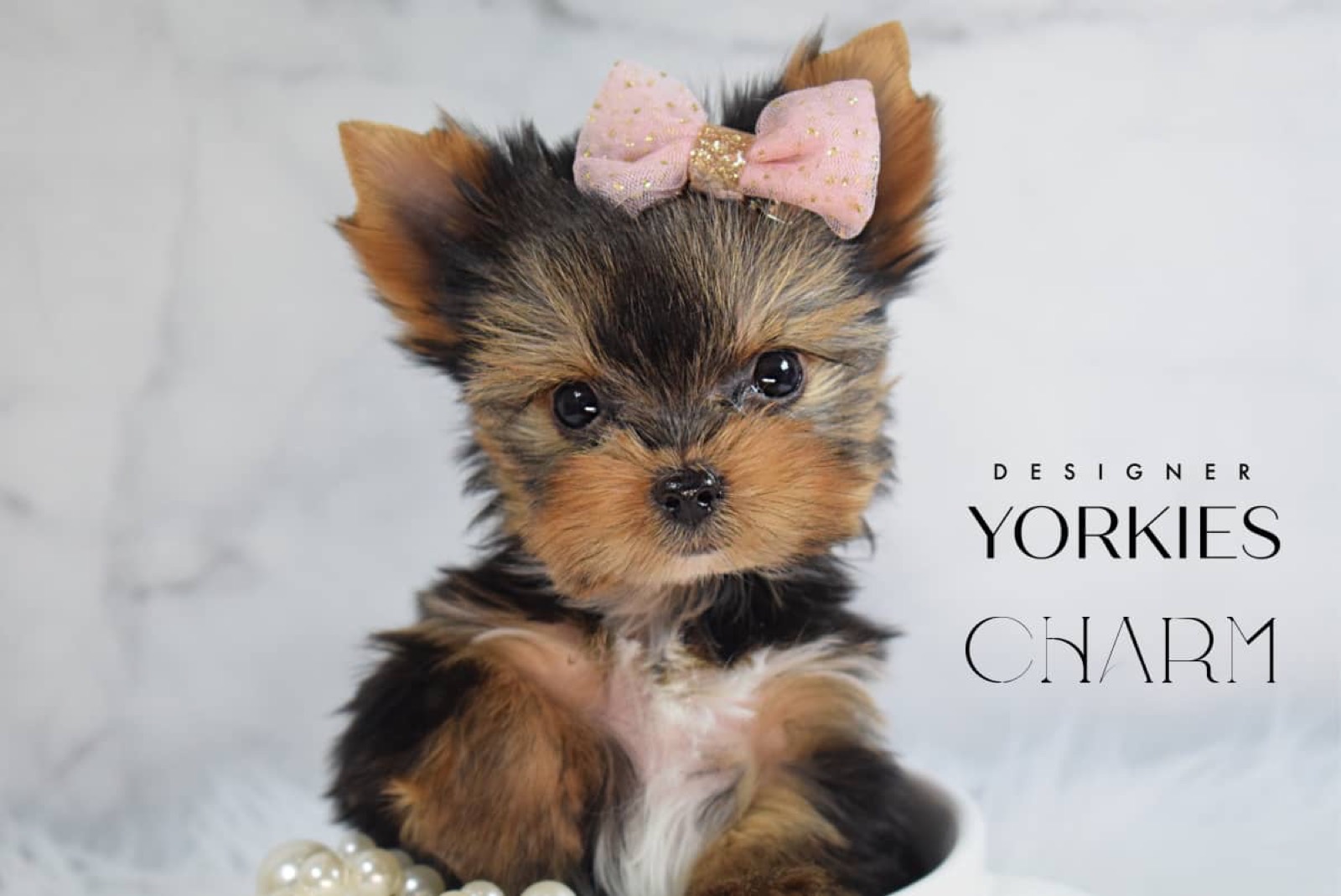
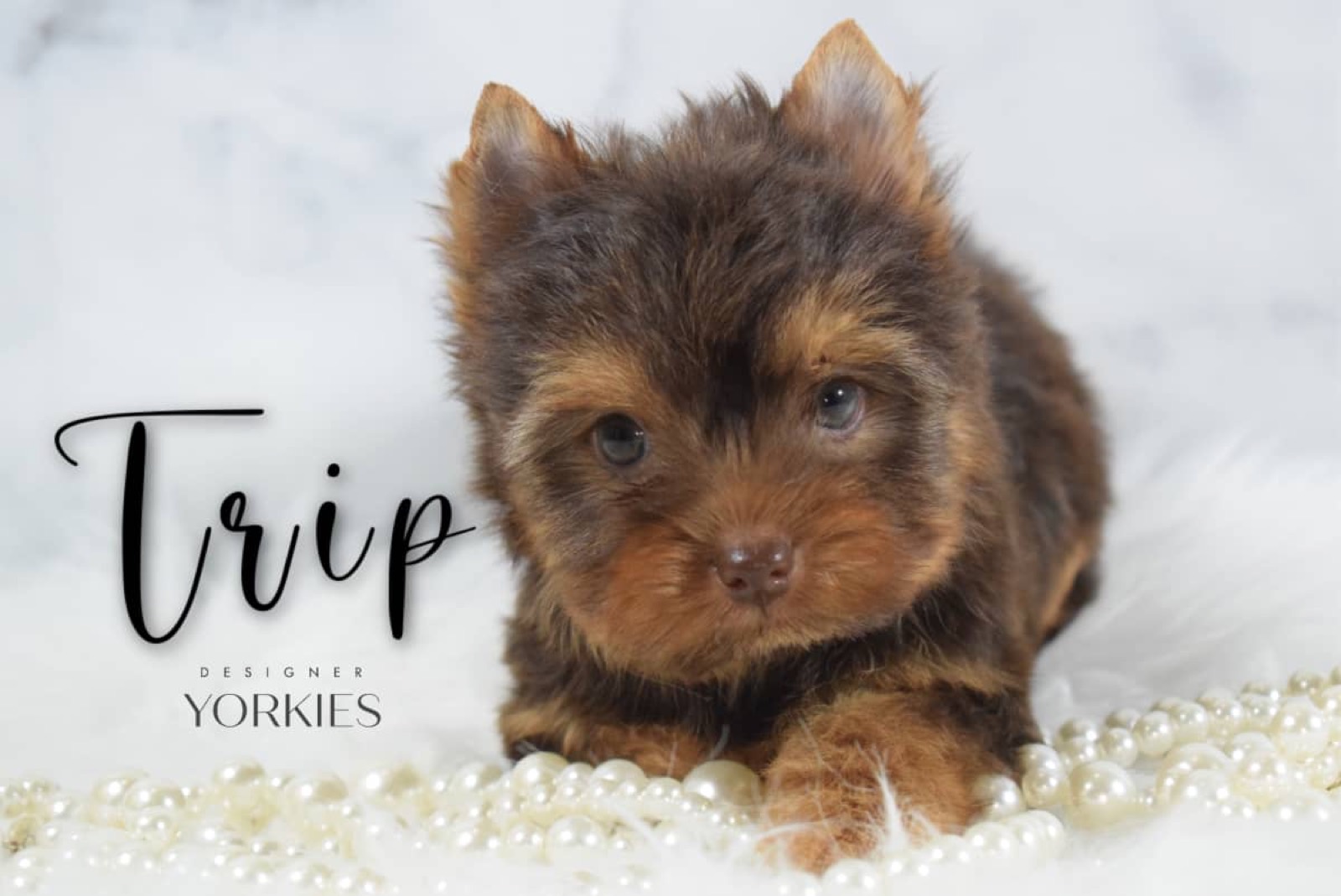
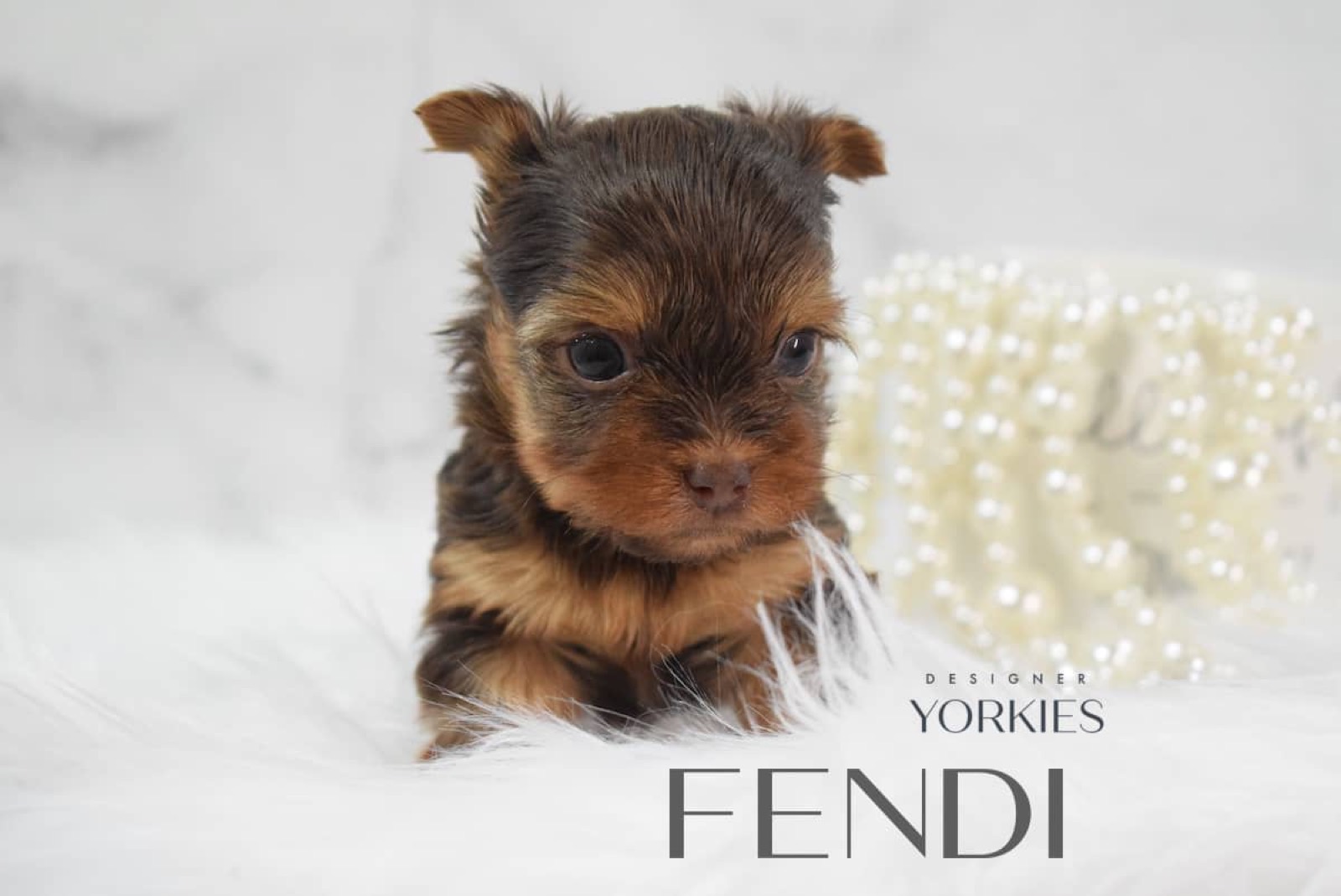
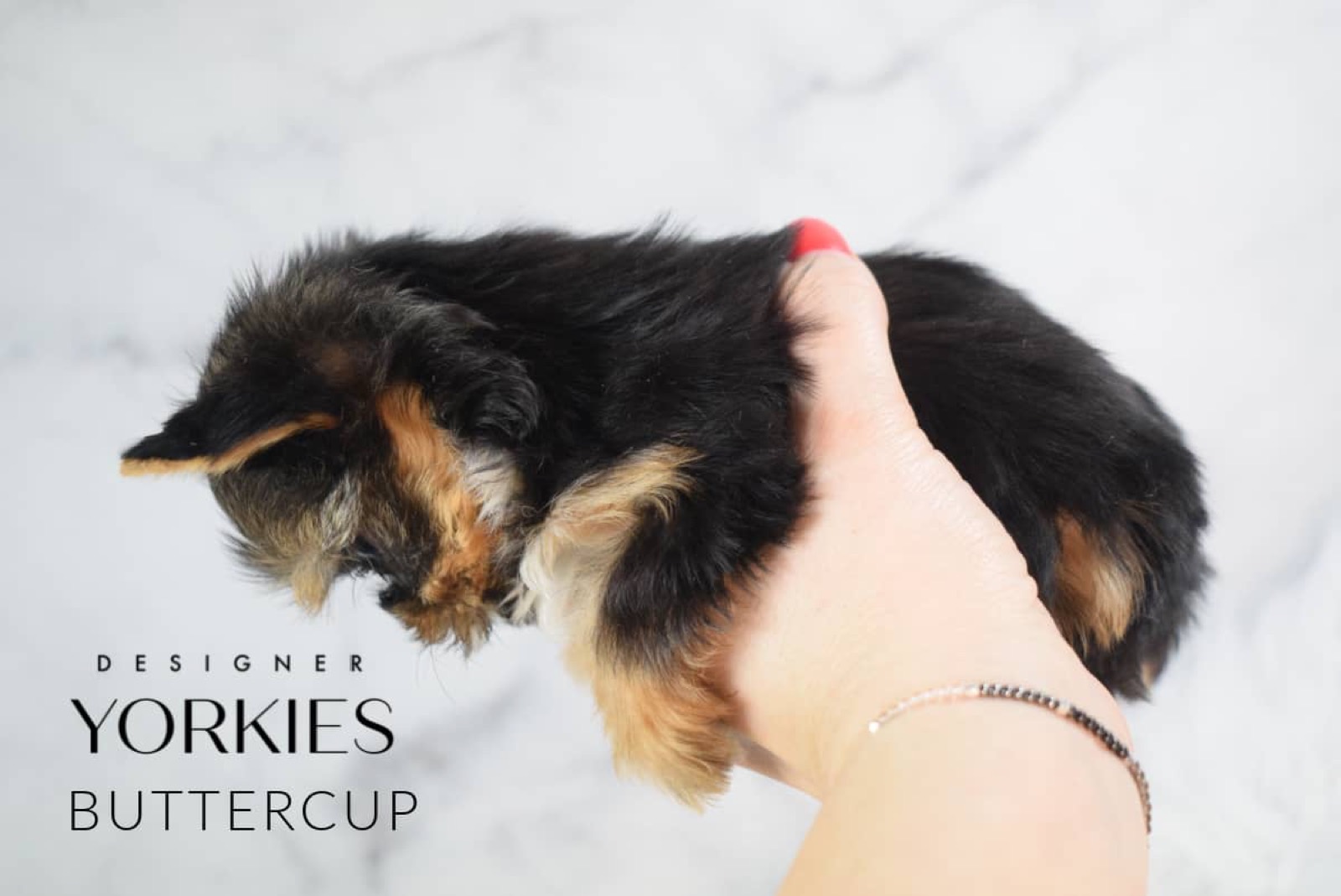
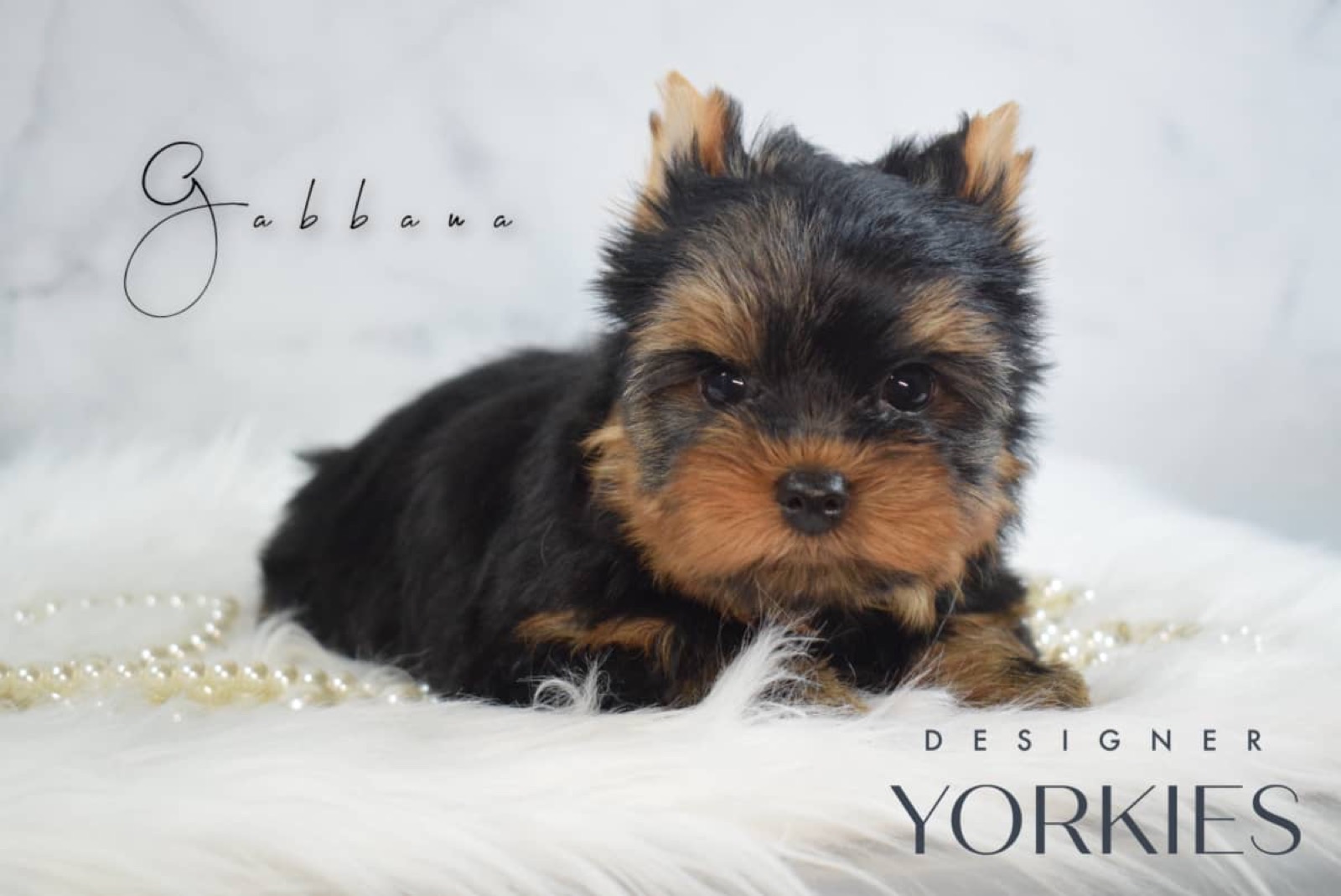
No. A babydoll Yorkie is a Yorkshire Terrier. The word describes the shape of the face and body, not a separate breed, and the puppies register as Yorkshire Terriers like any other.
No, and the two words are not even describing the same thing. Babydoll describes a look. Teacup describes a target weight, and it is a marketing word with no official standing.
It varies from puppy to puppy, which is why we publish each puppy individually rather than quoting one number for the whole programme. Size is a result of a careful pairing, never the goal of one.
Not because of the look itself — the face and body shape we pair for do not shorten a muzzle to the point of harm. Health comes from the pairing: tested parents, full-grown dams, and no chasing of extreme size.
No. We pair for health and for the babydoll look. Some of our puppies do mature very small, but that is an outcome of the pairing rather than its purpose, and we will not pair two of the smallest dogs together to chase a number.
Start with the puppy application. We read every one, and we match families to puppies rather than taking the first deposit that arrives. If nothing is available that suits you, the wait list is the place to be.
See who is available right now, or join the wait list and we will reach out when the next litter is ready.